Fast, homeowner-focused water extraction, flooring and wall drying, and structural drying after a slab leak — serving Littleton and all of Arapahoe County.

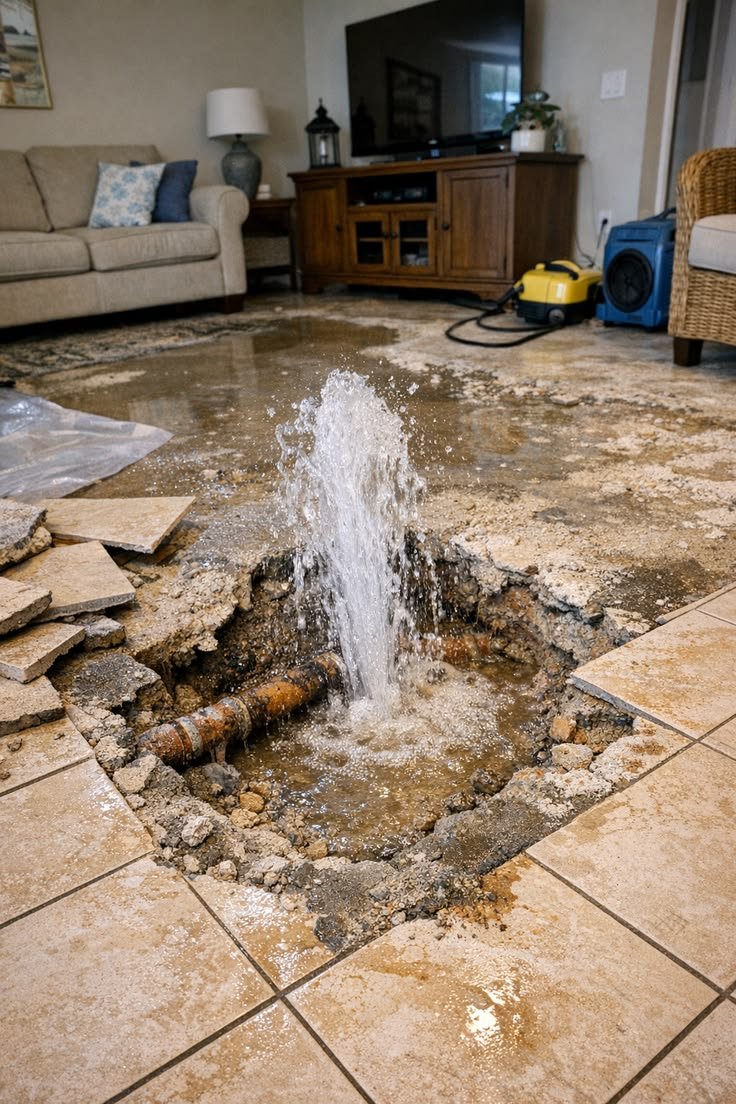
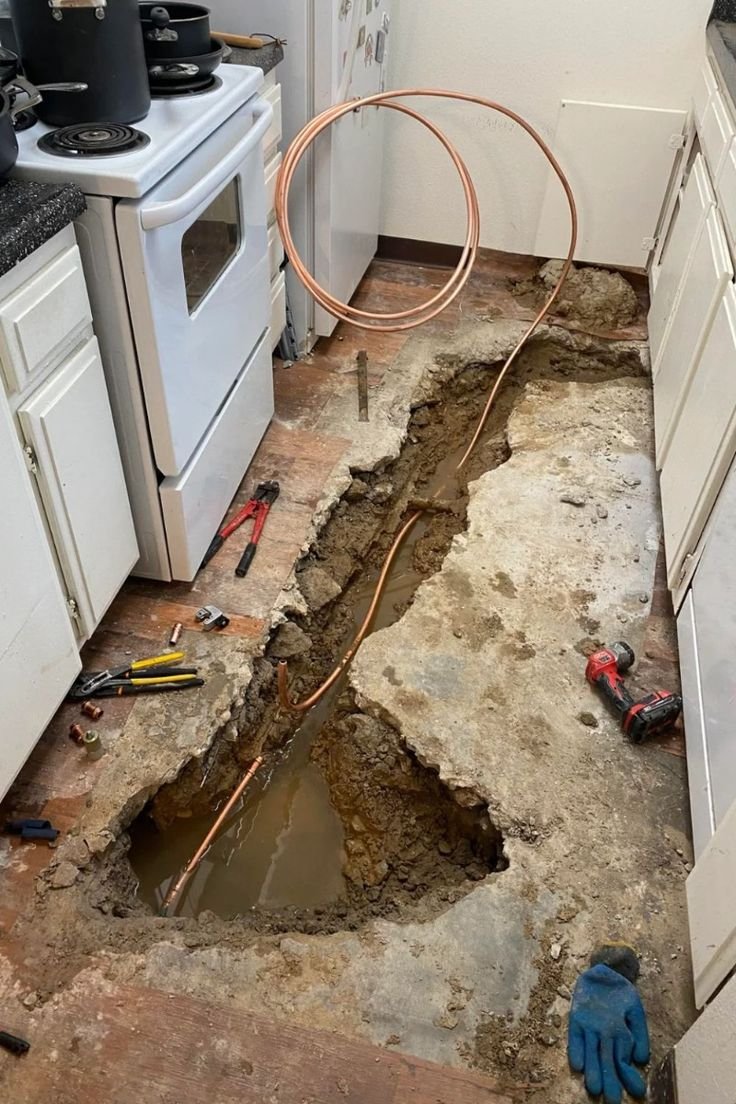
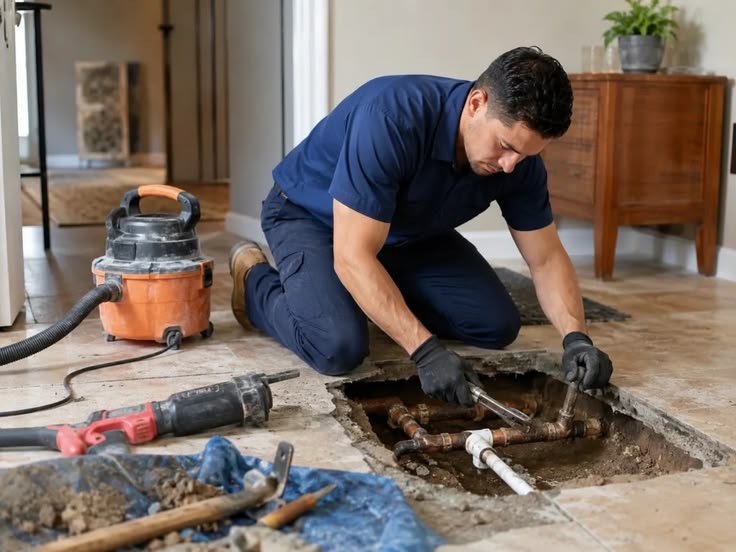
A slab leak allows water to move beneath and around your home, often before it becomes visible. Homeowners in Littleton typically first notice wet flooring, a persistently damp spot, or moisture that seems to be moving toward a wall. Left unaddressed, that moisture can travel into baseboards and drywall, soak into subflooring, and spread beyond the original leak area.

Active slab leaks, hidden water beneath flooring, and water pooling around flooring edges.
Warm or damp floor areas, wet carpet, and flooring that has begun to crack or lift from water intrusion.
Moisture entering walls, baseboard water damage, and water spreading from the slab into interior living areas.

Our slab leak water damage cleanup coverage is built specifically around single-family, owner-occupied homes in Littleton. That includes water damage affecting residential living areas, flooring damage caused by slab leaks, wall moisture, baseboard and drywall damage, and water intrusion affecting attached residential spaces such as garages and laundry rooms connected to the home.
Removing standing and absorbed water after a slab leak in a homeowner's property.
Learn more →Urgent removal of water after an active or recently discovered slab leak.
Learn more →Water damage affecting residential flooring after a slab leak.
Learn more →Water migrating from a slab leak into walls and interior residential areas.
Learn more →Removing flooring and related materials affected by slab-leak water.
Learn more →Water-damaged drywall caused by slab-leak water migrating into walls.
Learn more →Drying a homeowner's property after slab-related water intrusion.
Learn more →Drying structural and building components affected by slab leaks.
Learn more →Cleaning up water that has accumulated beneath flooring after a slab leak.
Learn more →Finding and addressing concealed moisture caused by slab-leak water intrusion.
Learn more →Water from a slab leak can migrate from beneath the home into flooring, walls, and other interior areas. Materials commonly affected include:
Initial assessment, identifying affected areas, and a moisture assessment across flooring, walls, and subfloor.
Water extraction, water removal, and an assessment of damaged materials, with removal where necessary.
Air movement, dehumidification, structural drying, moisture monitoring, and final cleanup.
Homeowners across Arapahoe County deal with seasonal temperature swings, periods of heavier precipitation, and snow and ice conditions during colder months — all of which can be connected to plumbing-related slab leaks. Ground-level moisture can move beneath flooring, and indoor humidity can make hidden moisture beneath finished floors harder to notice until it has spread.
Active slab leaks and water pooling on floors
Sudden flooring damage and wet carpet
Water entering walls from beneath flooring
Overnight slab leak discovery
Rapidly spreading indoor moisture
Water damage affecting living areas
Shut off water to the affected line if possible, keep people and pets away from standing water, and arrange for water damage cleanup as soon as you can.
Water on or beneath flooring should be addressed promptly to limit how far moisture spreads into flooring, walls, and baseboards.
Yes. Slab leak water can saturate carpet, padding, hardwood, laminate, vinyl, tile underlayment, and the subfloor beneath these materials.
Water that migrates from beneath the floor into a wall cavity can soak into the lower section of drywall and surrounding baseboards.
Yes, water beneath a slab can travel into adjoining wall cavities, particularly near flooring transitions and baseboard lines.
Carpet and padding that have absorbed water often need to be removed so the subfloor beneath can be properly assessed and dried.
Yes. Moisture can remain hidden beneath flooring or inside wall cavities well after any visible water has been removed.
Standing water is removed with extraction equipment, followed by a moisture assessment of flooring, walls, and the subfloor.
Drying time depends on how much water intruded, which materials were affected, and how quickly cleanup began.
Water that accumulates beneath finished flooring can soak into the subfloor, which is why an under-floor moisture check matters.
Avoid the affected area, keep children and pets away from standing water, and avoid lifting or pulling up flooring yourself.
Some flooring can be dried and preserved depending on the material and exposure time; other sections may need to be removed.
Call now to reach our team about slab leak water damage cleanup for your home.
📞 Call Now: 1-720-912-7064